
How Digital Systems Are Transforming Municipalities in Nepal
Introduction
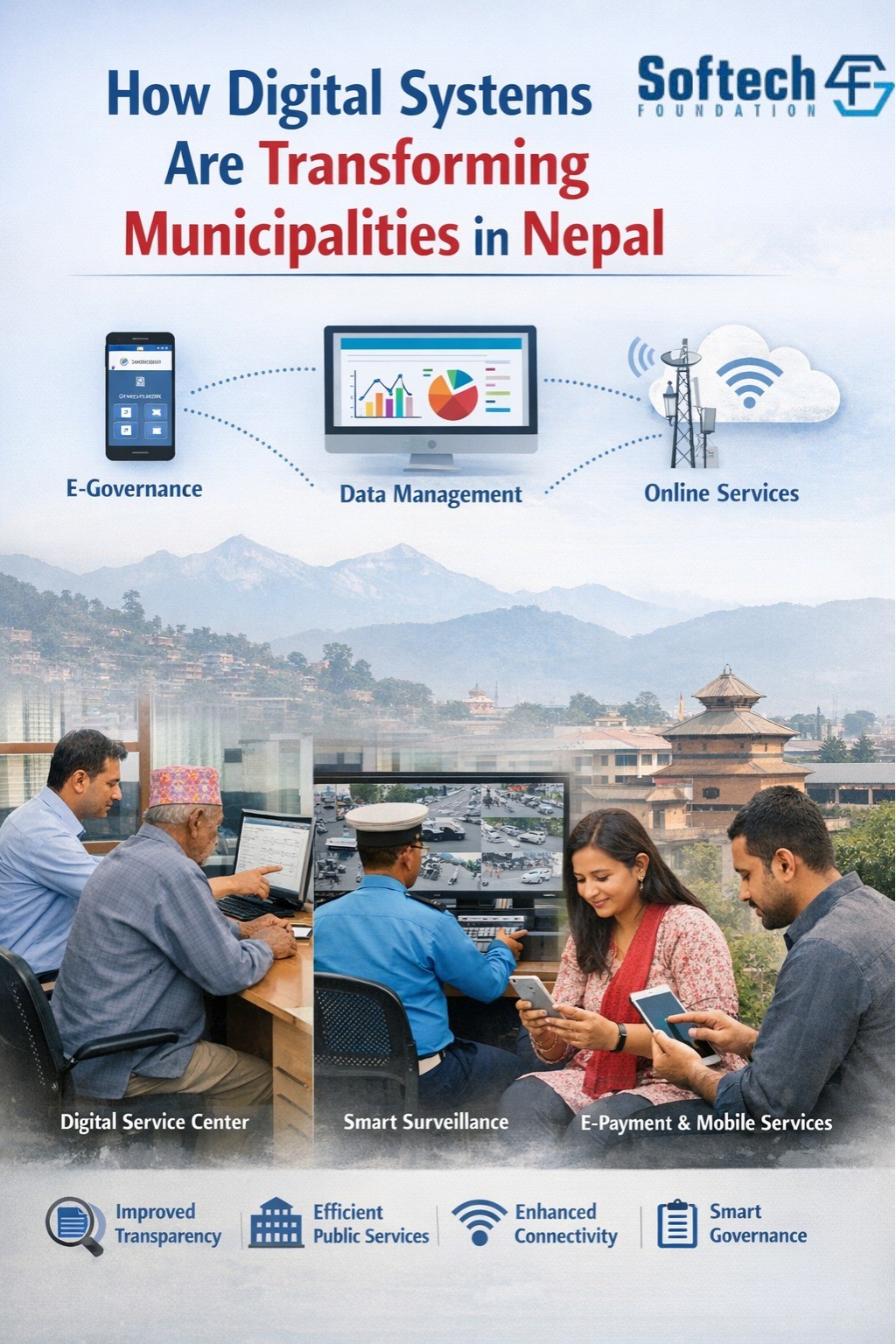
Across Nepal, municipalities are undergoing a significant shift—from traditional, paper-based processes to modern digital systems. This transformation is not just about technology; it is about improving governance, increasing transparency, and delivering better services to citizens.
In an era where efficiency and accountability matter more than ever, digital systems have become essential for local governments.
Challenges in Traditional Municipal Systems
For many years, municipalities in Nepal have relied heavily on manual operations. While this approach worked in the past, it now presents several limitations:
• Slow service delivery due to manual processing
• Paper-based records that are difficult to manage and retrieve
• Limited transparency in administrative processes
• Higher chances of human error
• Difficulty in tracking applications and approvals
These challenges often lead to delays, inefficiencies, and citizen dissatisfaction.
What Are Digital Municipality Systems?
Digital municipality systems are integrated software solutions designed to automate and streamline municipal operations. These systems help manage various services and administrative functions in a centralized and efficient manner.
Common digital solutions include:
• Darta Chalani Management System
• Sifaris Management System
• Revenue Management System
• Building Permit System (EBPS)
• Complaint Management System
• Digital Profile and Record Management
By implementing these systems, municipalities can move towards a more structured and data-driven approach.
Key Benefits of Digital Transformation
1. Faster Service Delivery
Digital systems reduce processing time significantly. Applications can be submitted, reviewed, and approved much faster compared to manual workflows.
2. Improved Transparency and Accountability
Every action is recorded within the system, making processes more transparent. This helps reduce irregularities and builds trust among citizens.
3. Efficient Data Management
Digital platforms allow easy storage, retrieval, and analysis of data. Municipalities can generate reports quickly and make informed decisions.
4. Online Access for Citizens
Citizens can access services online without needing to visit municipal offices repeatedly. This improves convenience and accessibility.
5. Better Revenue Management
Automated billing and tracking systems help municipalities manage revenue more effectively, reducing leakages and improving financial control.
Digital Transformation in Nepal: Current Scenario
Many municipalities in Nepal have already started adopting digital systems, and the results have been encouraging:
• Reduced dependency on paperwork
• Faster approval processes
• Better coordination between departments
• Increased citizen satisfaction
As digital adoption grows, municipalities are becoming more responsive and efficient.
The Role of Reliable Technology Partners
Successful digital transformation requires more than just software—it requires the right implementation partner.
A reliable IT partner ensures:
• Customized solutions based on local needs
• Proper system implementation
• Training for staff
• Ongoing support and maintenance
Choosing the right partner is critical for long-term success.
How Softech Foundation Supports Digital Municipalities
Softech Foundation has extensive experience in developing digital systems tailored for municipalities in Nepal. Our solutions are designed to improve efficiency, transparency, and service delivery.
Our offerings include:
• Darta Chalani System
• Sifaris Management System
• EBPS (Building Permit System)
• Revenue Management System
• Complete Digital Governance Platforms
With over 18 years of experience, we understand the operational challenges of local governments and deliver solutions that are practical, scalable, and effective.
Recent Blog
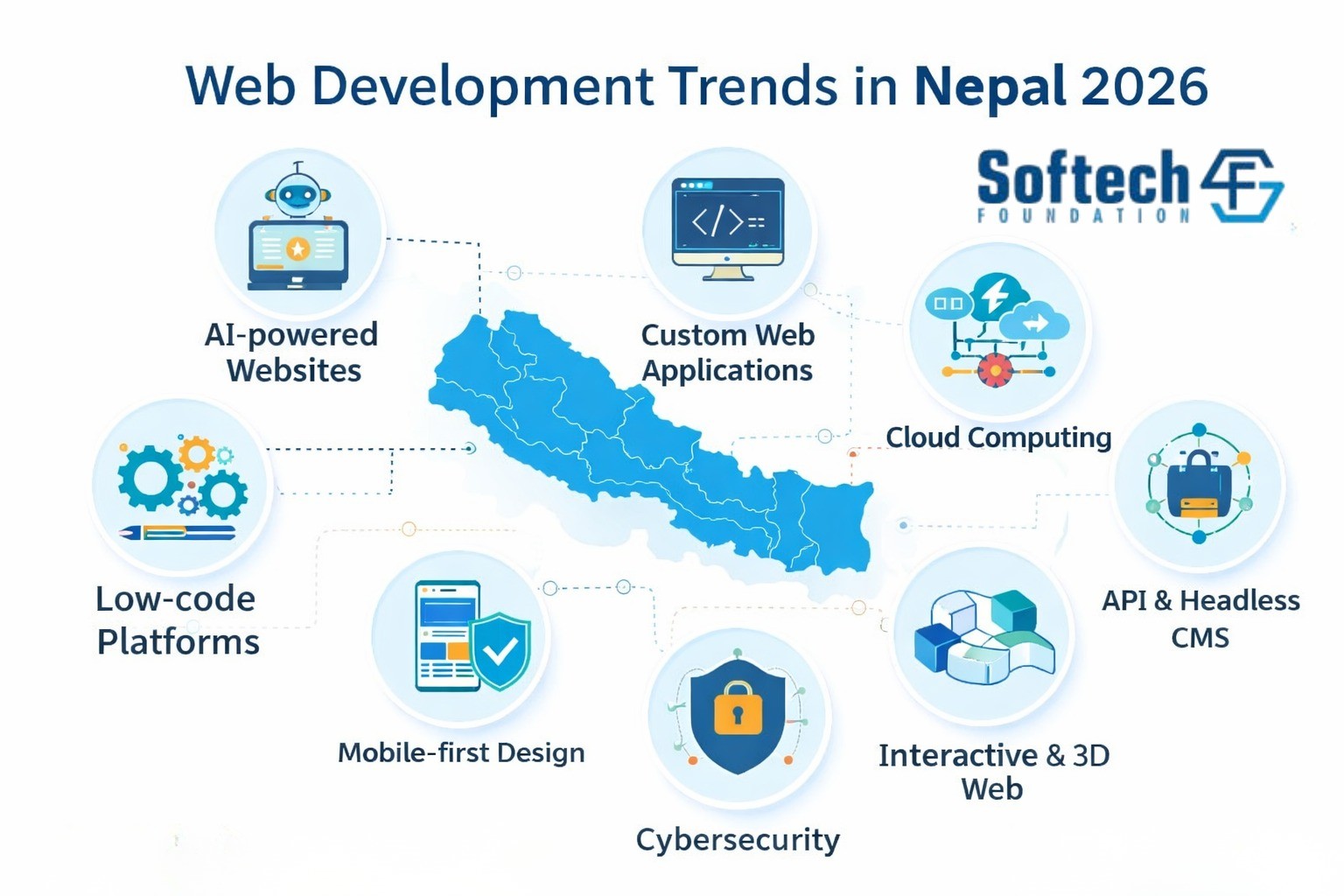
🌐 Web Development Trends in Nepal 2026
Read More..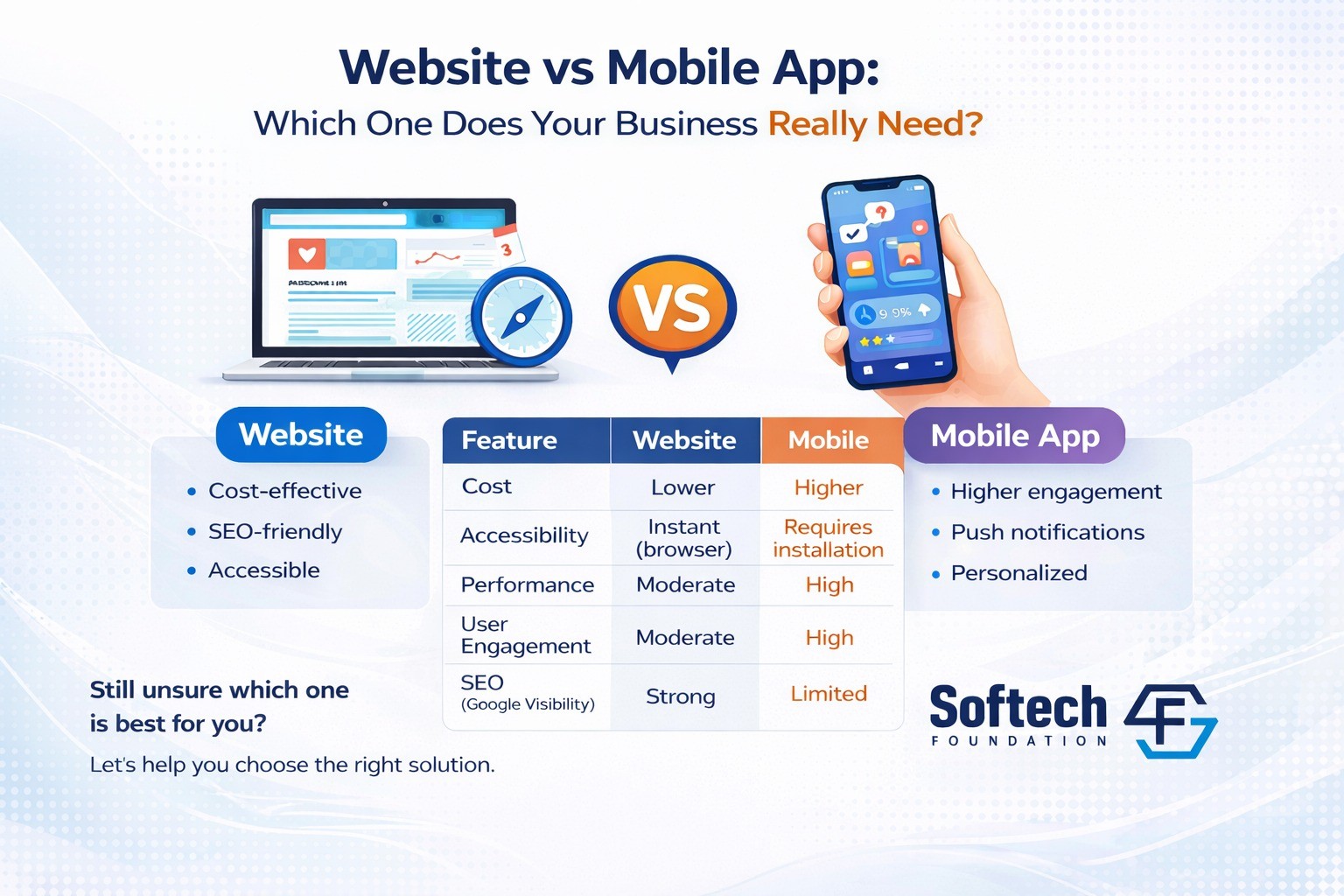
Website vs Mobile App: Which One Does Your Business Really Need?
Read More..
What is Data Analytics?
Read More..