
Understanding Blockchain Technology: The Future of Digital Transactions
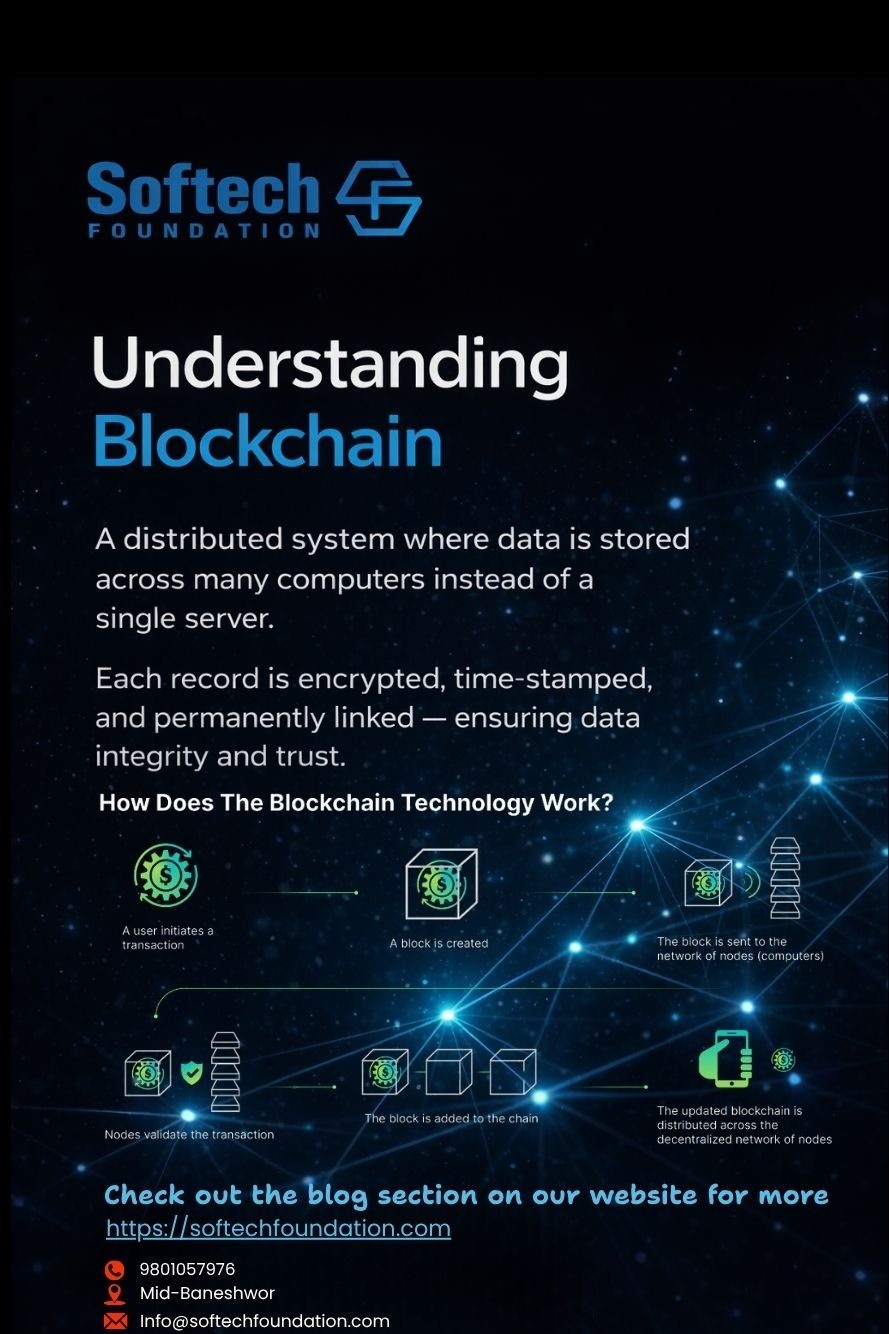
Blockchain technology has emerged as one of the most revolutionary innovations of the digital age. Originally created for Bitcoin in 2008, it has evolved to impact multiple industries beyond cryptocurrency. This article will explain what blockchain is and how it works in simple terms.
What is Blockchain? A Complete Definition
At its core, blockchain is a distributed digital ledger that records transactions across multiple computers in a way that makes it nearly impossible to alter, hack, or cheat the system. Think of it as a digital record book that is simultaneously maintained by thousands of people, where every entry is permanent and transparent.
The name 'blockchain' comes from its structure: data is stored in blocks, and these blocks are chained together chronologically. Each block contains:
• Transaction Data: The actual information being recorded (e.g., sender, receiver, amount)
• Timestamp: When the block was created
• Hash: A unique digital fingerprint for that specific block
• Previous Hash: The digital fingerprint of the previous block, creating the 'chain'
This interconnected structure creates an immutable record. If someone tries to tamper with data in one block, it would change that block's hash, breaking the chain and alerting the entire network to the tampering attempt.
Key Characteristics of Blockchain
1. Decentralization
Unlike traditional databases controlled by a single entity, blockchain operates on a peer-to-peer network where every participant has a complete copy of the ledger.
2. Transparency and Immutability
All transactions are visible to network participants and cannot be altered once recorded, creating a permanent audit trail.
3. Enhanced Security
Advanced cryptography secures all data, making it extremely difficult for hackers to compromise the system.
How Blockchain Works: Step-by-Step Process
Understanding how blockchain operates can seem complex, but the process can be broken down into five simple steps:
Step 1: Transaction Initiation
A user initiates a transaction (e.g., sending cryptocurrency, recording a medical record, or transferring property ownership). This transaction is broadcast to all nodes in the network.
Step 2: Validation
Network nodes validate the transaction using predetermined rules and algorithms. They verify that the sender has the authority to make the transaction and that all data is accurate.
Step 3: Block Creation
Once validated, the transaction is combined with other pending transactions to form a new block. This block is assigned a unique hash and includes the hash of the previous block.
Step 4: Consensus
The network nodes must reach consensus that the new block is valid. Depending on the consensus mechanism, this might involve solving complex mathematical problems (PoW) or validators staking their cryptocurrency (PoS).
Step 5: Block Addition
After consensus is reached, the new block is permanently added to the blockchain. The transaction is now complete and immutable, visible to all participants in the network.
Applications of Blockchain
Blockchain has various applications across different industries:
• Cryptocurrency: Digital currencies like Bitcoin and Ethereum
• Banking & Finance: Faster and cheaper international transactions
• Supply Chain: Tracking products from manufacturer to consumer
• Healthcare: Secure storage and sharing of medical records
• Real Estate: Property ownership records and smart contracts
• Voting Systems: Secure and transparent digital voting
Conclusion
Blockchain technology represents a fundamental shift in how we store and verify data in the digital world. Its decentralized, transparent, and secure nature makes it ideal for applications that require trust and accountability without a central authority.
As the technology continues to evolve, we can expect blockchain to play an increasingly important role in various industries. Understanding blockchain basics today will help you stay ahead in tomorrow's digital economy.
Recent Blog
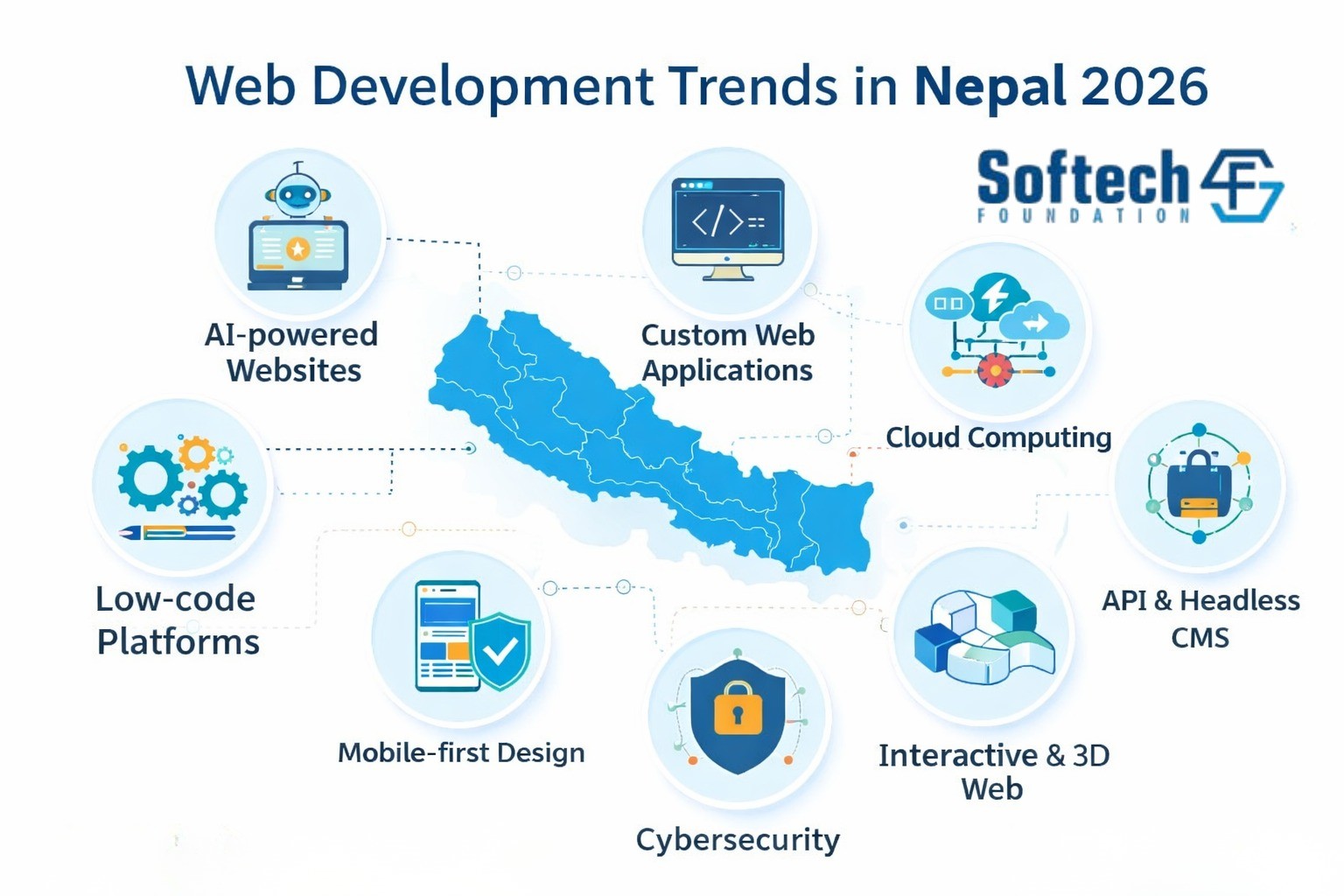
🌐 Web Development Trends in Nepal 2026
Read More..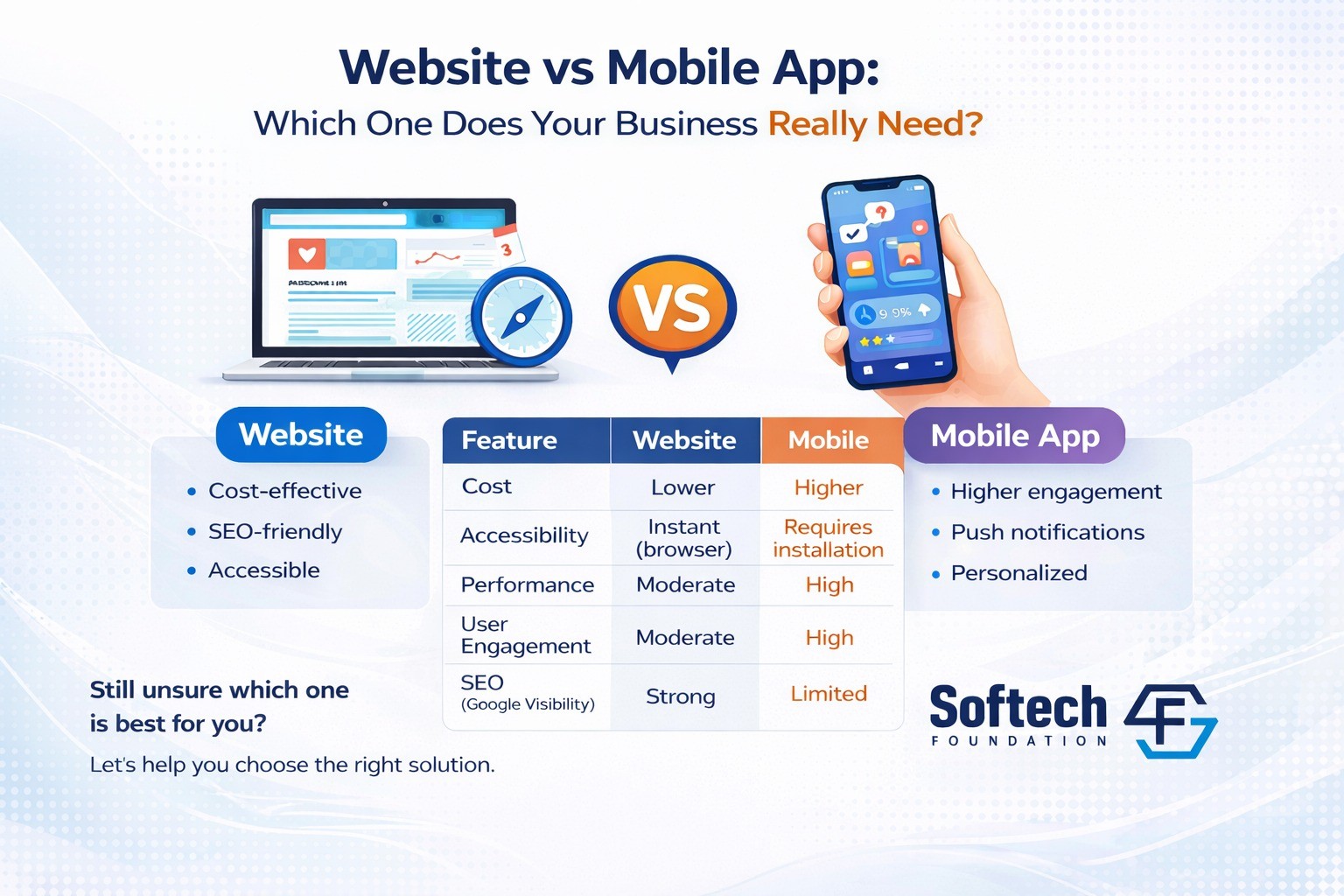
Website vs Mobile App: Which One Does Your Business Really Need?
Read More..
What is Data Analytics?
Read More..